Psychologists in Melbourne Weigh In: The Importance of Family Therapy for Children and Adolescents
Family dynamics play a huge role in children and adolescents' mental and emotional development and wellbeing. During their formative years, the relationships within the family shape their self-esteem, coping mechanisms, and the way they connect with others, ultimately influencing their path to adulthood.
Read More
Understanding Social Media Addiction Through the Lens of Melbourne Therapists
Social media keeps us connected, helps us share moments, and at times shapes how we perceive ourselves. As much as we enjoy its benefits, many of us have felt that it pulls a little too strongly at times. For some, it can start to feel overwhelming, even addictive.
Read More
Personal Trauma and Parenting: Heal with a Trauma Therapist in Melbourne
Trauma can impact our approach to parenting, which is often shaped by personal or generational experiences. For many individuals from backgrounds where mental health was not openly addressed, facing these issues can be especially tough.
Read More
The Link Between Trauma and Anger: Insights from Psychologists in Melbourne
For many of us, anger can feel like a quick, hot flash of frustration or a simmering resentment that can be eased by temporary distractions and activities that soothe us. However, for some, anger can feel so overwhelming and intense, that it seems uncontrollable or frightening. While not applicable in every instance, this intense anger can stem from unresolved trauma.
Read More
When Panic Attacks Strike: A Guide to ERP from an Anxiety Therapist in Melbourne
Originally developed to treat anxiety disorders, ERP is particularly valuable for those of us struggling with panic attacks and associated conditions like obsessive-compulsive disorder (OCD).
Read More
Acceptance and Commitment Therapy Techniques From Melbourne Therapists
Acceptance and Commitment Therapy (ACT) aims to counter these effects by promoting a deeper understanding of our thoughts and emotions without judgement, encouraging responses that align with our personal values.
Read More
PTSD Treatment with Cognitive Processing Therapy (CPT): A Melbourne Psychology Clinic's Insights
Cognitive Processing Therapy (CPT) is a type of cognitive-behavioural treatment intended specifically to treat PTSD symptoms. It is based on the idea that PTSD symptoms often stem from conflicting emotions and thoughts related to a traumatic event. To help us cope with our trauma, therapy encourages us to re-examine our thoughts.
Read More
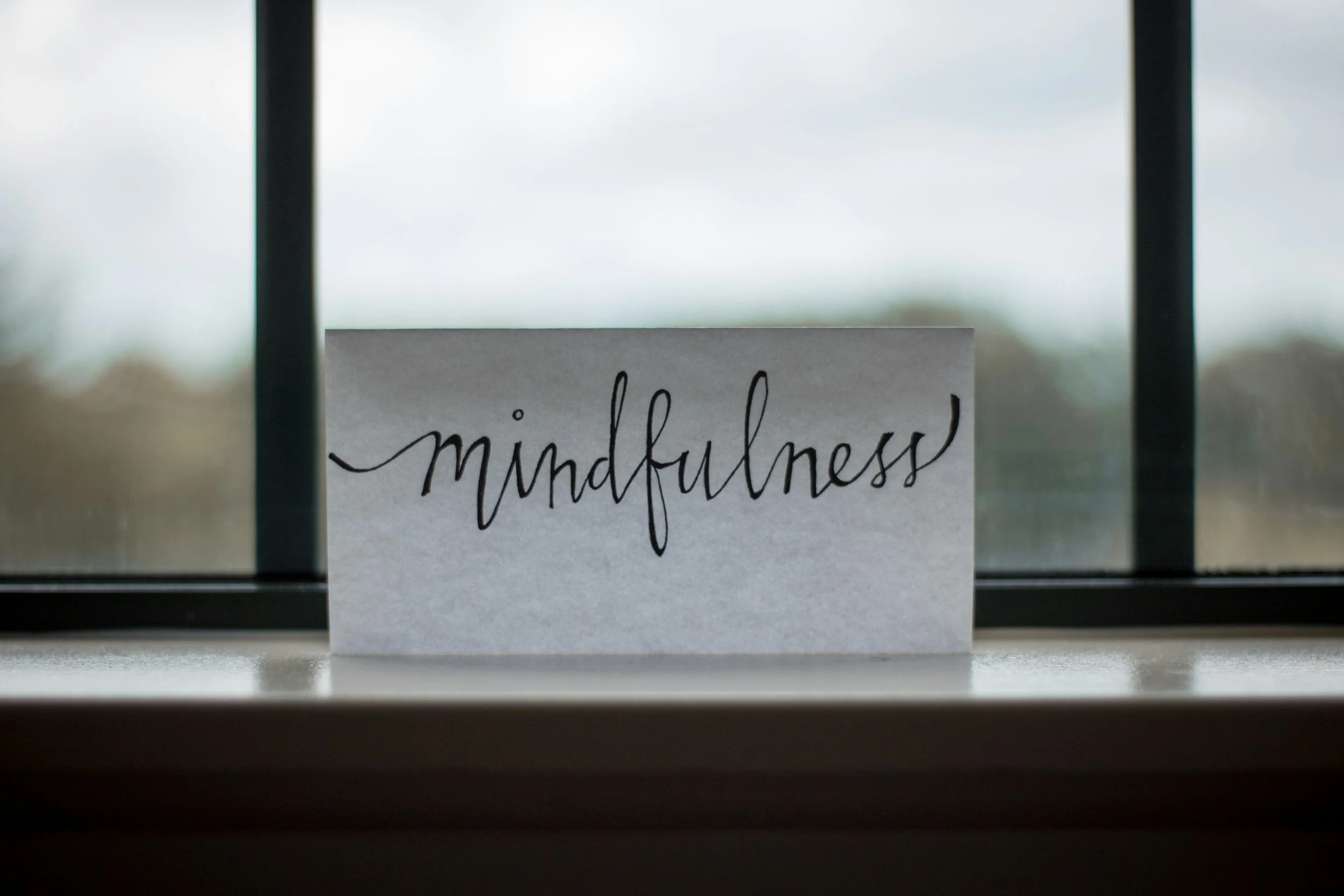
Mindfulness Exercises To Try | Reviewed by Melbourne Therapists
According to the Australian Psychological Society, we can define mindfulness as the state of consciousness where we intentionally pay attention to what's happening with our current thoughts, feelings, and surroundings without judging them as good or bad.
Mindfulness can be beneficial, as it can help avoid automatic habits that may not be psychologically or physically healthy.
Read More
Dealing With A Breakup | Relationship Grief With Our Melbourne Psychologists
Navigating the end of a relationship can be incredibly challenging - particularly managing conflict, finding closure, and maintaining post relationship dynamics.
These feelings can also come from the loss of a loved one - both circumstances of loss and breakup. The core issue revolves around coping with someone's absence from our lives.
Read More
Exploring Separation Anxiety in Adults With Our Melbourne Psychologists
Anxiety can present itself in different ways and impact many aspects of our lives or specific situations.
Separation Anxiety involves intense fear, worry, or intrusive negative thoughts triggered by the separation from a loved one or caregiver. This can make everyday tasks quite challenging.
While commonly seen with toddlers and children, separation anxiety can also affect adults.
Read More