Although it can sound restrictive, setting boundaries in a romantic relationship is essential for maintaining its health. These invisible fences protect both partners emotionally, intellectually, physically, and otherwise.
Read More
Although it can sound restrictive, setting boundaries in a romantic relationship is essential for maintaining its health. These invisible fences protect both partners emotionally, intellectually, physically, and otherwise.
Read MoreAnxiety changes the structure and quality of our sleep cycles, disrupting the body's natural rhythms and potentially jeopardising our mental and physical health. Here, we examine the complex relationship between anxiety and sleep, and share some ways to restore a healthier sleep pattern.
Read MoreFamily dynamics play a huge role in children and adolescents' mental and emotional development and wellbeing. During their formative years, the relationships within the family shape their self-esteem, coping mechanisms, and the way they connect with others, ultimately influencing their path to adulthood.
Read MoreSocial media keeps us connected, helps us share moments, and at times shapes how we perceive ourselves. As much as we enjoy its benefits, many of us have felt that it pulls a little too strongly at times. For some, it can start to feel overwhelming, even addictive.
Read MoreTrauma can impact our approach to parenting, which is often shaped by personal or generational experiences. For many individuals from backgrounds where mental health was not openly addressed, facing these issues can be especially tough.
Read MoreFor many of us, anger can feel like a quick, hot flash of frustration or a simmering resentment that can be eased by temporary distractions and activities that soothe us. However, for some, anger can feel so overwhelming and intense, that it seems uncontrollable or frightening. While not applicable in every instance, this intense anger can stem from unresolved trauma.
Read MoreOriginally developed to treat anxiety disorders, ERP is particularly valuable for those of us struggling with panic attacks and associated conditions like obsessive-compulsive disorder (OCD).
Read MoreAcceptance and Commitment Therapy (ACT) aims to counter these effects by promoting a deeper understanding of our thoughts and emotions without judgement, encouraging responses that align with our personal values.
Read MoreCognitive Processing Therapy (CPT) is a type of cognitive-behavioural treatment intended specifically to treat PTSD symptoms. It is based on the idea that PTSD symptoms often stem from conflicting emotions and thoughts related to a traumatic event. To help us cope with our trauma, therapy encourages us to re-examine our thoughts.
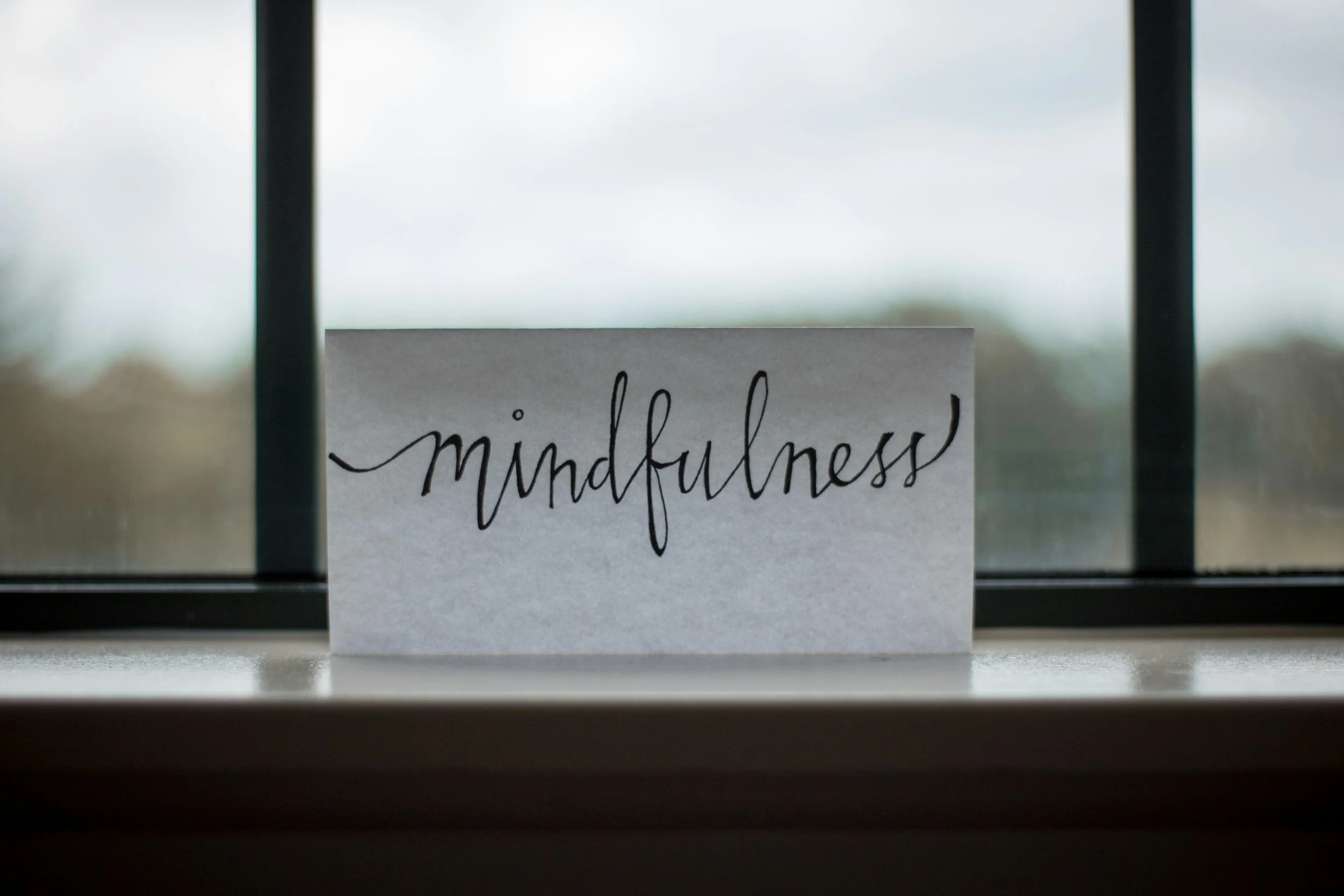
Read MoreAccording to the Australian Psychological Society, we can define mindfulness as the state of consciousness where we intentionally pay attention to what's happening with our current thoughts, feelings, and surroundings without judging them as good or bad.
Mindfulness can be beneficial, as it can help avoid automatic habits that may not be psychologically or physically healthy.
Read More